


I started writing about construction contract issues because I kept having the same conversations with clients. A project manager would call about a pay-if-paid clause they had never noticed. An estimator would ask whether the liquidated damages provision in a subcontract was negotiable. A company owner would find out after a dispute that the indemnity language in their standard form had been quietly shifting risk they never intended to accept.
These are not obscure legal issues. They are the provisions that determine whether a contractor gets paid on time, who bears the cost when a project runs late, and what happens when something goes wrong on a jobsite. They show up in nearly every construction contract, and they affect project outcomes far more often than most people realize.
The Field Guide is a collection of plain-language explanations of these provisions, organized by topic and built from issues that come up on real projects. The goal is not to replace legal advice on a specific contract. It is to give project managers, estimators, executives, and business owners enough understanding of how these clauses work that they can spot problems before signing, ask better questions during negotiation, and make informed decisions about the risk they are taking on.
Every topic covered here comes from patterns I have seen across thousands of contract reviews. Some provisions consistently cause disputes. Others rarely matter. Some are acceptable on one type of project and dangerous on another. The Field Guide focuses on the ones that make a practical difference and explains them the way I would explain them to a client sitting across the table.
-

Payment & Payment Terms
Payment disputes rarely start with refusal to pay. They usually begin with a gap between how the parties expect payment to work and how the contract actually defines it. Construction agreements condition payment on documentation, approval, certification, and sometimes upstream funding. Pay-when-paid and pay-if-paid clauses are the most common example, with some provisions delaying payment timing while others shifting the risk of nonpayment entirely. Understanding notice requirements, retainage terms, and documentation obligations before performance begins is the most effective way to avoid payment problems during the project.
-

Risk Allocation and Indemnity
Construction contracts assign responsibility for damages, defense costs, and insurance obligations among project participants through indemnity, insurance, and waiver of subrogation provisions. These clauses determine who pays when something goes wrong and whether that responsibility is insurable. The practical impact depends on how the indemnity interacts with available insurance coverage and whether the obligation is enforceable under the applicable state's law. Many states, including Kentucky, limit or void certain broad-form indemnity provisions.
-

Liquidated Damages & Delay Exposure
Liquidated damages provisions set a predetermined daily rate for schedule overruns. Whether the amount is enforceable depends on whether it reflects a reasonable estimate of actual delay damages rather than a penalty. For subcontractors, the risk is compounded when prime contract LD provisions flow down without adjustment for scope or schedule control. Understanding how these clauses interact with notice requirements, excusable delay definitions, and concurrent delay is essential before signing.
-

Subcontract Terms Worth Attention
Subcontracts contain the provisions that most directly affect a trade contractor's payment, risk exposure, and ability to manage disputes. Flow-down clauses, pay-when-paid terms, scope definitions, change order procedures, and termination rights all operate differently depending on how the prime contract is structured. Most subcontractors sign these agreements under schedule pressure without fully understanding what they are accepting.
-

Using Counsel During Projects
Most construction companies involve a lawyer after a dispute has already developed. By that point, the documentation gaps and missed notice deadlines that weaken a position have already occurred. Engaging counsel during active project work, rather than only at the contracting or dispute stage, allows issues to be identified and addressed while options still exist.
-

Technology and Contract Review
AI and document review tools can accelerate the initial analysis of construction contracts by identifying key provisions, flagging deviations from standard forms, and organizing large agreements for faster review. These tools improve speed and consistency but do not replace the judgment required to assess whether a specific provision creates acceptable risk on a specific project. Simon Law uses technology to support the review process while ensuring all conclusions reflect professional evaluation of the actual circumstances.
-
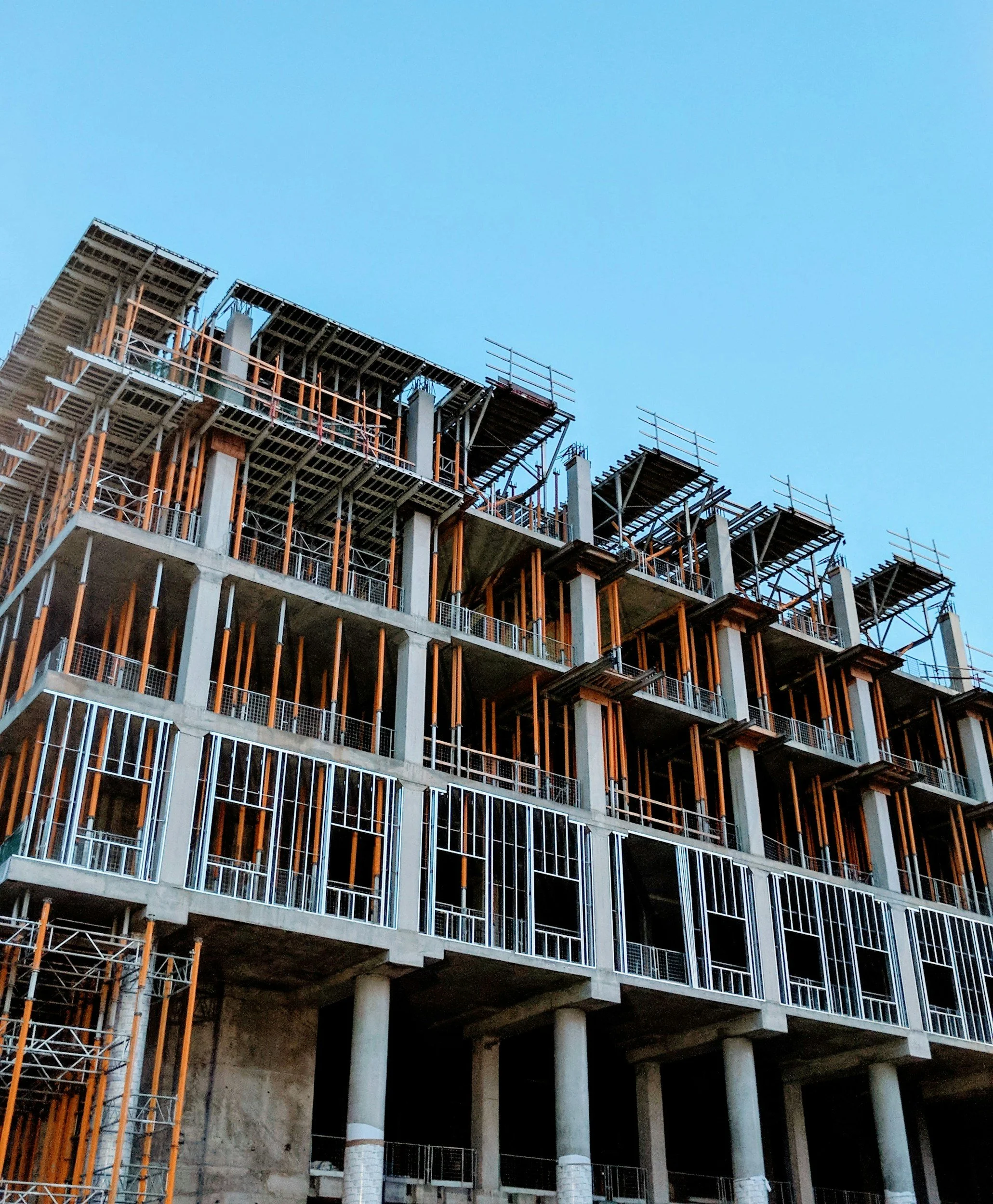
Kentucky Mechanic's Liens Overview
Kentucky's mechanic's lien statutes give contractors, subcontractors, and suppliers a security interest in the property they improved when payment breaks down. But the protection requires strict compliance with every procedural step. This guide covers who qualifies, what notice is required, how to file, and what the Fairness in Construction Act says about lien waivers.