


Legal advice built for how construction projects actually work.
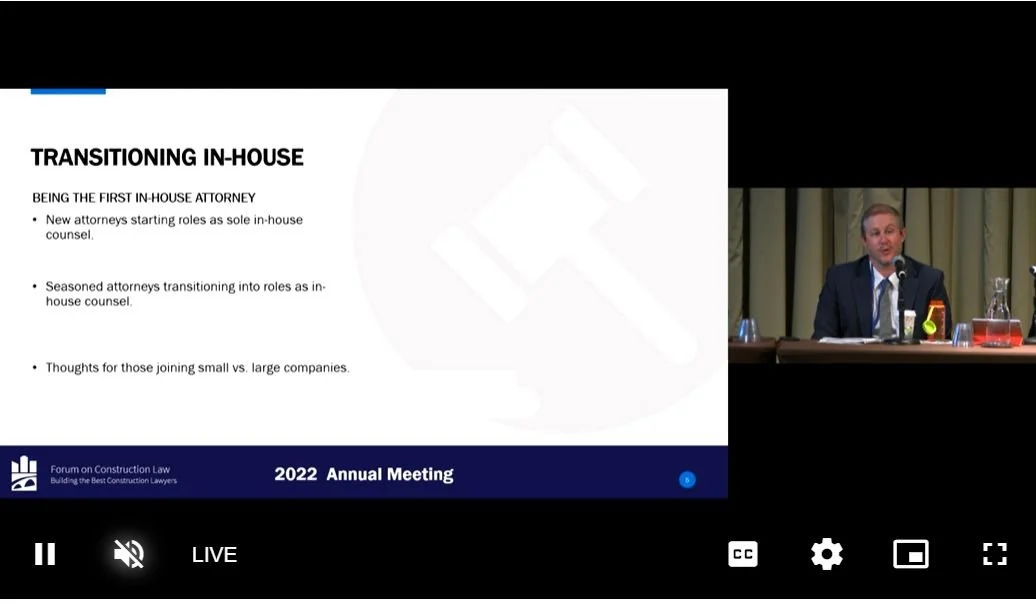
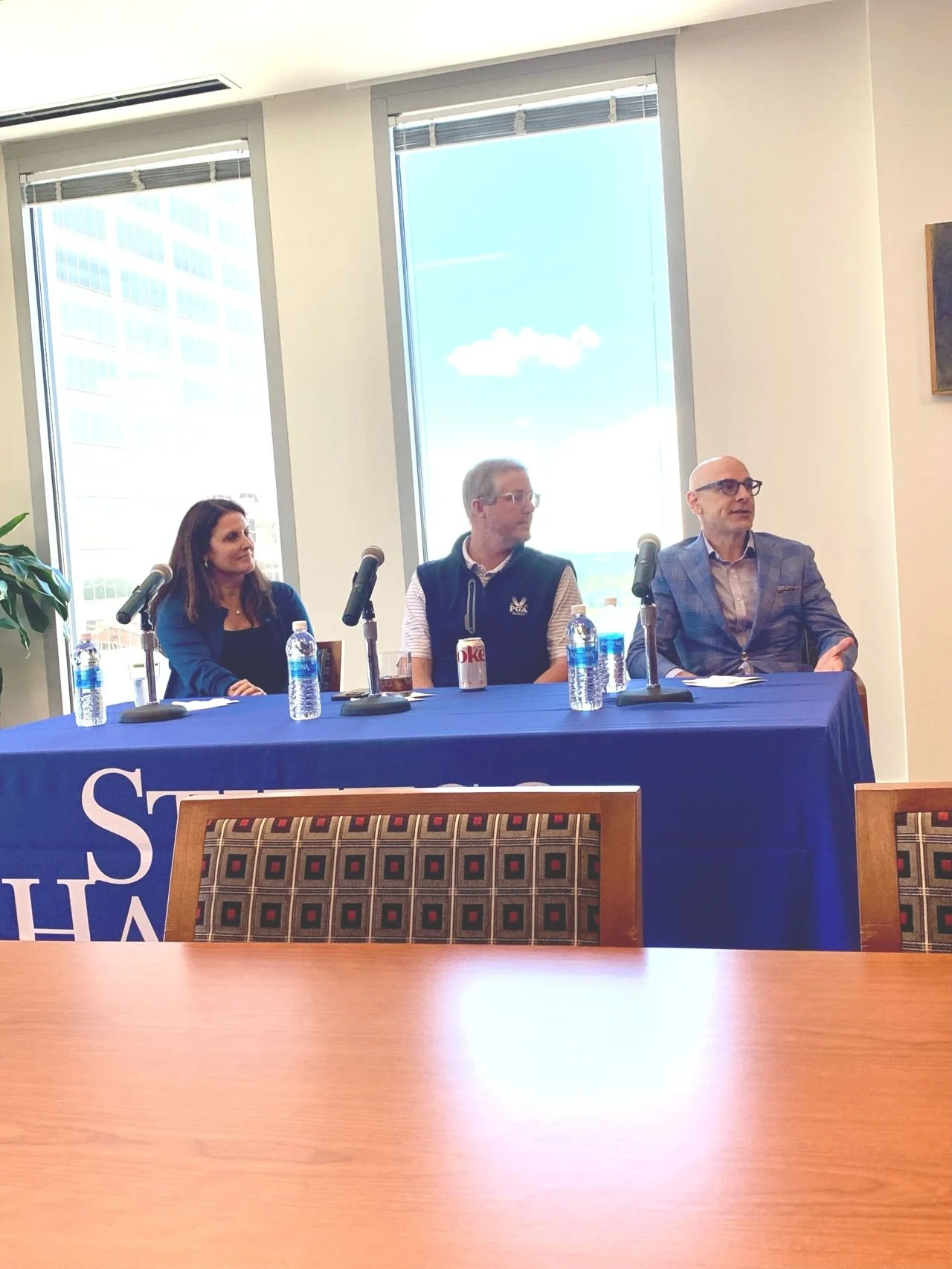
Founded by Nate Simon, former General Counsel at Gray Construction, a $5 billion national Kentucky based contractor.
About Simon Law
Former General Counsel
Before starting Simon Law, I spent more than a decade inside Gray Construction, one of the largest design-build firms in the country, advising executives, project managers, and operations teams on active projects. The work was not theoretical. Decisions had real schedule, cost, and relationship consequences, often within hours, not weeks.
I reviewed contracts before they were signed, helped resolve field issues as they developed, and worked alongside estimating, operations, finance, and risk management personnel. Legal advice had to integrate with business realities such as manpower, cash flow, subcontractor relationships, and project delivery expectations.
That experience shapes how I advise clients today. My role is not to identify every possible legal issue. It is to identify the issues that matter, explain the risk in practical terms, and help you decide what to do next. The perspective comes from having been responsible for project outcomes, not simply reviewing them after the fact.
Contract Experience
Over the course of my career I have negotiated and reviewed thousands of construction agreements across public and private projects. This includes AIA, ConsensusDocs, custom owner contracts, subcontracts, master service agreements, purchase orders, and consultant agreements.
Reviewing a large volume of contracts changes how you read them. Patterns emerge. Certain provisions consistently cause disputes, others rarely matter, and some are acceptable only in specific project conditions. Experience allows prioritization rather than treating every clause as equal risk.
My review process focuses on what affects project performance, payment, and responsibility allocation. Clients receive clear explanations of the practical impact of each major provision and recommended revisions where necessary. The objective is not perfection. The objective is a contract you understand and can operate under with predictable outcomes.
Value Based Billing
Most construction companies operate on budgets and schedules. Legal services should work the same way. Simon Law uses fixed fees and defined scopes for the majority of its work so clients know what a matter will cost before it begins.
Contract reviews are priced at a flat rate based on the type and complexity of the agreement, with an agreed turnaround time. Fractional general counsel engagements are structured around predictable monthly or quarterly arrangements rather than open-ended hourly billing. Even dispute advisory work is scoped and priced in advance wherever the matter allows it.
The reason is straightforward. Hourly billing creates a disincentive to call your lawyer. If a project manager has to wonder whether a fifteen-minute discussion about golf is going to cost them, they stop calling. Problems that could have been addressed early get ignored until they become claims. Predictable pricing removes that friction and allows legal counsel to function as a regular part of project operations rather than an expense to be avoided. The goal in every arrangement is for the client to understand what they are paying, what they are getting, and when they will have it.
Project Scale
My work has involved projects across the United States and internationally, ranging from standard commercial developments to complex design-build and industrial work. These projects required coordination among owners, contractors, designers, insurers, lenders, and multiple tiers of subcontractors.
Different project sizes and delivery methods produce different risks. A clause that is manageable on a small project can be significant on a multi-trade schedule-driven project. Understanding that distinction allows advice to be calibrated to the project rather than applied generically.
When reviewing or discussing a contract, I consider how the terms will function during construction, not how they appear in isolation. The goal is to align contractual obligations with how the work will actually be performed so expectations remain clear throughout the project.
Pragmatic, Business-Focused Approach
Construction disputes and claims rarely start with a single dramatic event. They develop over weeks or months through unclear scope definitions, undocumented conversations, delayed notices, and assumptions that were never confirmed in writing. Most of the legal risk on a construction project is operational, not contractual.
That understanding drives how Simon Law advises clients. The focus is not just on what the contract says but on how the project team is executing against it. Are change orders being documented before work proceeds? Is notice being given within the timeframes the contract requires? Are payment applications supported by the documentation the owner will need to process them?
Clients who engage Simon Law for ongoing counsel receive guidance that connects contract language to daily project decisions. The goal is to reduce the gap between what the contract requires and what the team is actually doing, because that gap is where most claims originate.
Ongoing Counsel to Builders
Many clients engage Simon Law as outside general counsel rather than for isolated projects. This involves periodic contract reviews, issue discussions during active work, and guidance on documentation and communication practices.
The benefit of an ongoing relationship is familiarity with the company’s operations, risk tolerance, and project types. Advice can be tailored to existing processes instead of starting from first principles each time an issue arises. Over time, recurring issues are identified and addressed through contract adjustments and internal practices.
The purpose is continuity. Instead of reacting to disputes after escalation, clients have access to counsel during ordinary project decisions, allowing problems to be addressed early and consistently.
Giving Back
Simon Law donates 10% of firm profits each year to charitable organizations, and clients help decide where those donations go. Rather than choosing causes independently, the firm asks clients to vote so the giving reflects the community they work in and care about.
The first recipient in 2025 was The Hope Center in Lexington, which provides shelter, recovery support, and pathways back into stable employment. Many construction companies regularly see the impact housing and workforce challenges have on both people and projects, and supporting an organization addressing those realities felt like a natural place to start.

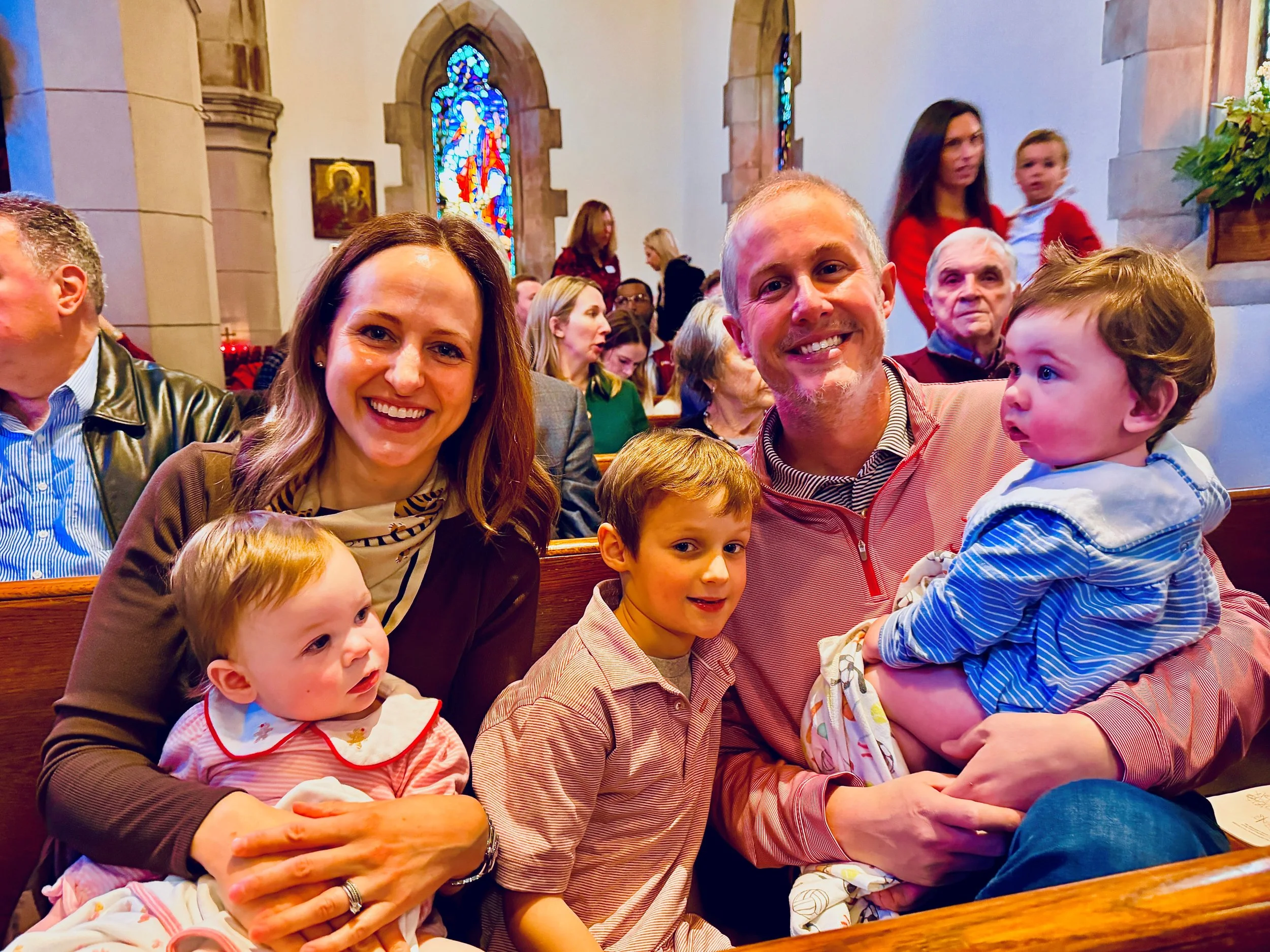
Giving also includes time, not only money. The firm serves as pro bono counsel to Good Shepherd Episcopal Church in connection with its upcoming parish hall project, assisting with contracts and construction planning so the project can move forward with clear expectations and reduced risk. Work like this uses the same skills provided to paying clients but directed toward organizations that may not otherwise have access to construction counsel.

“Nathan provided expert counsel for architectural contract negotiations, which provided optimized results for our non-profit. He is exceedingly thorough, responsive, and offered advocacy for our end of the contract that we never could have done for ourselves. Thank you!”
— Scott Heersche, Director of operations, Good Shepherd Episcopal ChurchFAQs
Are your services only for large construction companies?
1
No. Clients range from smaller trade contractors to larger regional builders and developers. Many companies that do not maintain in-house counsel use the firm on a project-by-project basis. Defined scopes and flat fees allow the cost to be understood in advance so businesses can decide whether involving Simon Law makes sense for a particular agreement or issue rather than avoiding advice due to uncertainty about hourly billing.
What types of contracts do you review?
2
The firm reviews prime contracts, subcontracts, purchase orders, master service agreements, consultant agreements, and joint venture agreements across construction projects. This includes AIA, ConsensusDocs, and custom owner forms. Reviews are performed for a fixed fee with a defined turnaround so the cost and timing are known before work begins.
Why do you use value based billing?
3
Most construction decisions are schedule-driven and budget-driven, and legal services should operate the same way. Defined scopes and flat fees allow clients to know the cost before work begins, with an agreed turnaround time, so legal advice can be planned into the project rather than avoided due to uncertainty. The focus is on delivering clear guidance efficiently, not on tracking time. This approach reduces surprises, makes costs predictable, and lets clients decide when involving counsel makes business sense for a particular contract or issue.
Do you handle residential construction matters?
4
The practice is focused on commercial construction projects and ongoing advisory work for construction businesses. Simon Law represents commercial construction businesses. The firm does not handle residential construction disputes or homeowner claims. Limited flat-fee contract reviews are available on a case-by-case basis for residential matters.